Since the late 1880s, posters have been capturing the eye of passersby with colourful
designs and iconic images. A blend of art, graphic design and typography, posters became
the mainstream medium for mass communication in an age of advertising. From movie and
theatre posters to travel, products and propaganda, posters reflect historical times, cultural
references, and artistic expression making them highly collectable the world over.
Jules Cheret 1880s
One of the most recognizable posters from that era is the Moulin Rouge created by French
artist Henri Toulouse-Lautrec. But posters came into fashion several years before his time,
around 1880, with the artist and inventor of the 3-stone lithograph process, Jules Cheret. His
3-stone process brought an intensity of colour and dimension to the printed medium at a
fraction of the cost. This caught the eye of the world of commerce and created a boom in
advertising posters. Over the next 30 years, Cheret would go on to create more than 1000
posters.
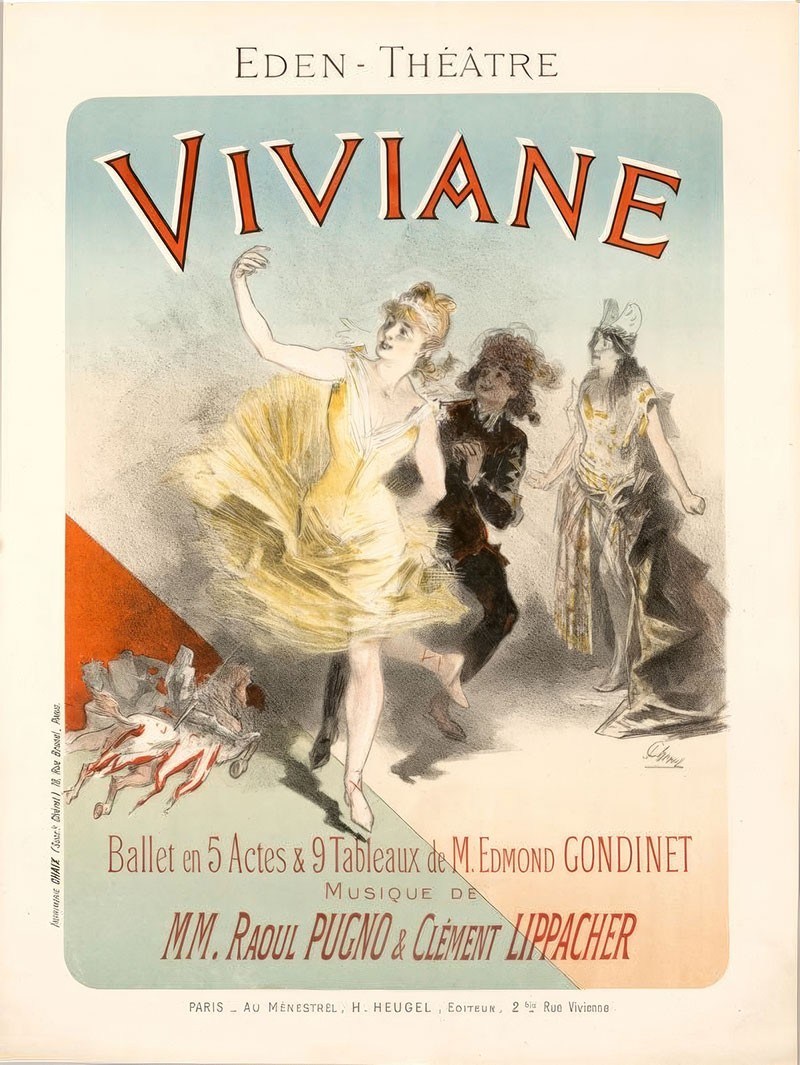 Jules Cheret 1880s. Click to expand
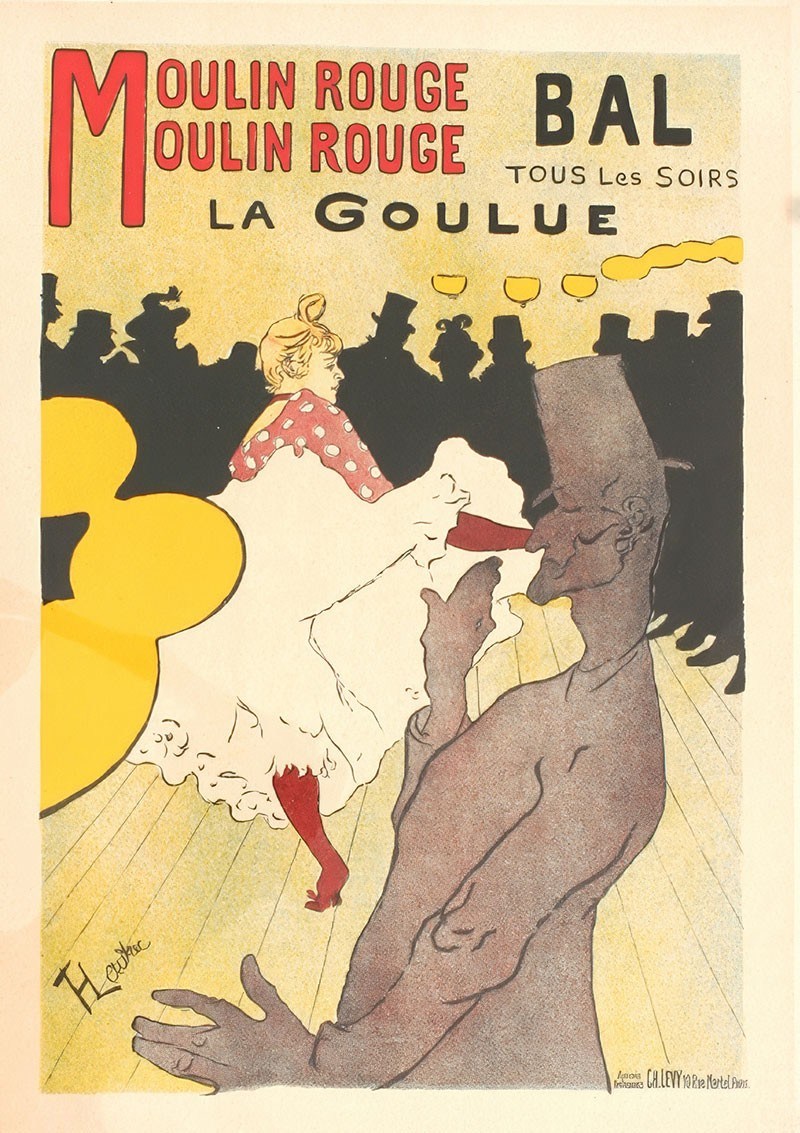 Henri Toulouse-Lautrec, Moulin Rouge. Click to expand
This marriage between art and commerce piqued the interest of other artists. Posters as a
means of mass communication were a great way to get known as an artist, not to mention a
good source of revenue. In 1891, Toulouse-Lautrec raised the bar on poster design with his
artistic impressions advertising Parisien life. These designs became hot property and people
would rip them off the walls of the city, just to get their hands on one.
Poster dealers, poster magazines, and poster exhibitions started cropping up all over the
world as this poster craze took hold. Now everyone could own a piece of high art just for a
few dollars.
Alphonse Mucha 1894
Many other artists like Alphonse Mucha joined the poster revolution. His posters are an
iconic reminder of the Art Nouveau movement. His designs and clever use of typography
caught on with mainstream media and design, thanks to his muse and patron Sarah
Bernhardt, who hired Mucha to design a series of posters for her theatre works. Mucha went
onto to design Bernhardt’s stage costumes and jewellery as well.c
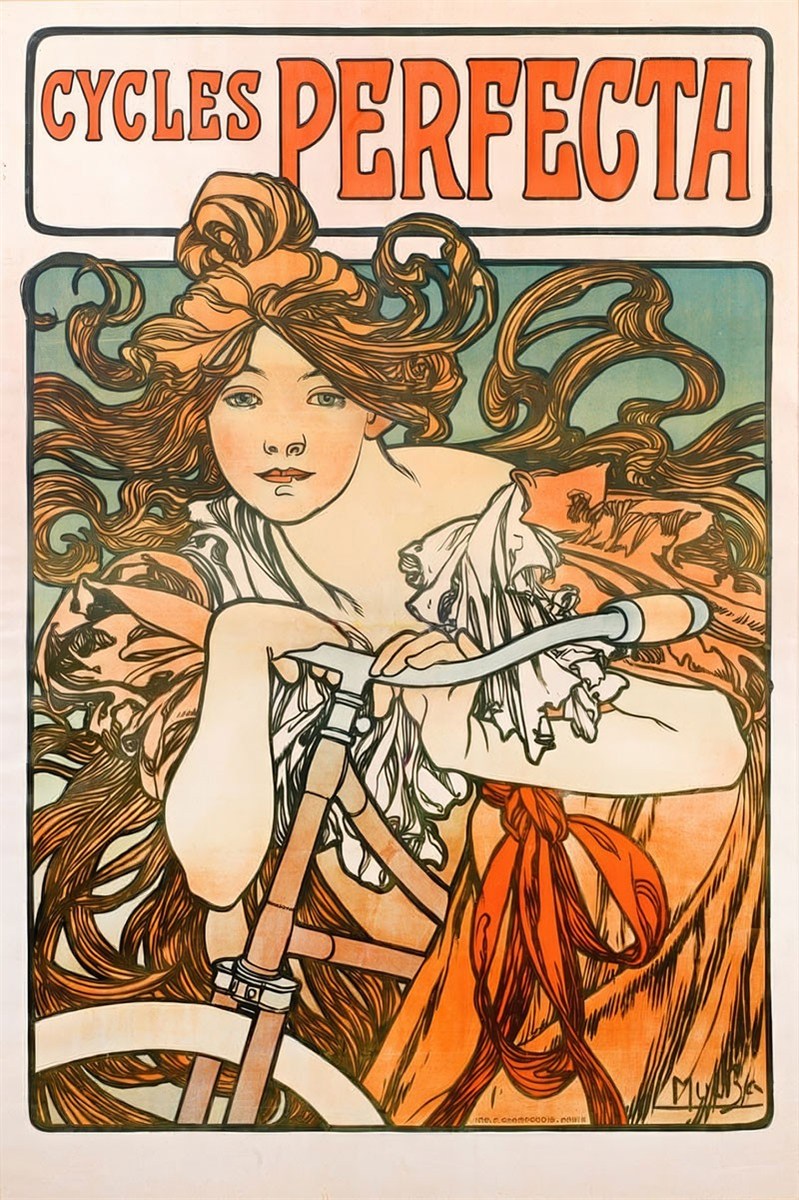 Alphonse Mucha 1894. Click to expand
Leonetto Cappiello 1898
By the end of the century, the ornate floral designs of Mucha gave way to a more modern
look when Leonetto Cappiello, an Italian caricaturist, decided to get in the game of poster art
in 1898. His advertising posters displayed bold colours, clean lines, and magnified imagery
often humorous in nature. He had a particular skill in defining a brand’s identity and has
been credited with starting a new era of advertising and branding.
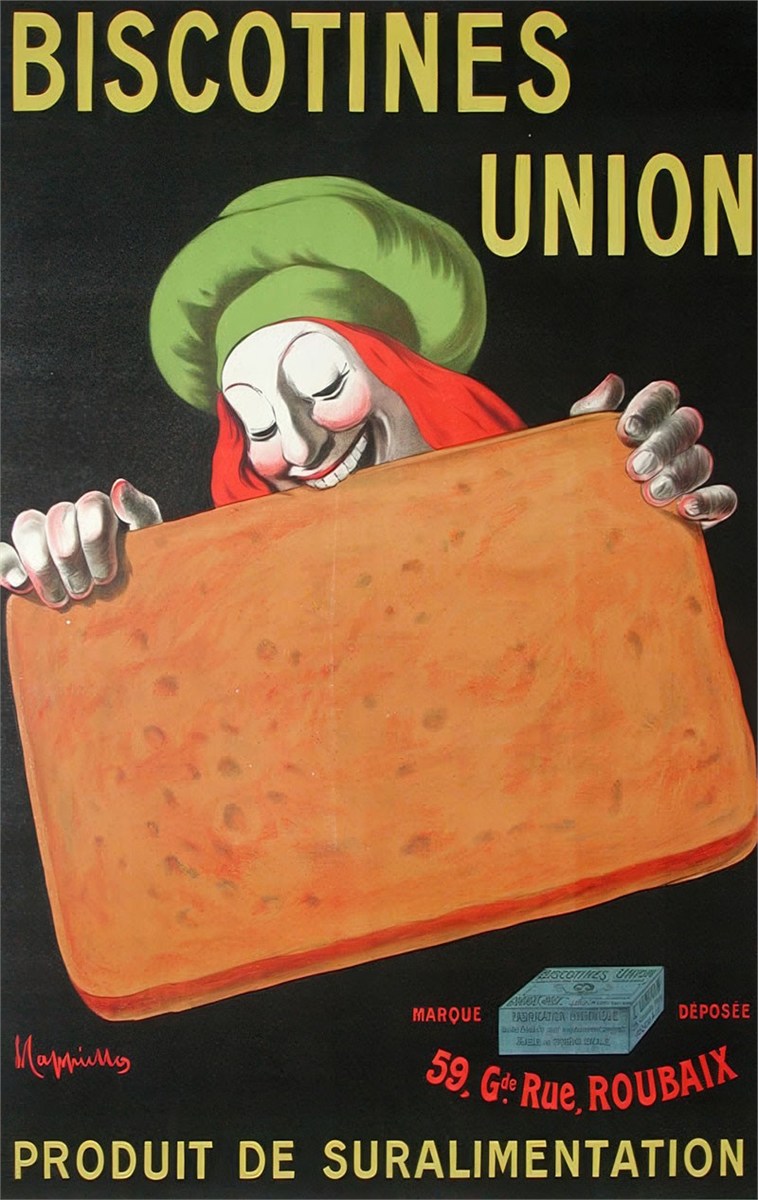 Leonetto Cappiello 1898. Click to expand
His influence on poster design remained strong for several decades and continued to inspire
other artists and poster designers across the globe. It wasn’t until the industrial age and the
Art Deco movement that this universal poster preference changed.
A.M. Cassandre 1923
When A.M. Cassandre arrived on the scene with his first Art Deco poster in 1923 for Au
Bucheron furniture store, there was a shift in style and perspective. The playful images and
soft palette of Cappiello were replaced by powerful imagery and strong geometric designs
influenced by Cubism and Realism, using an airbrush technique. This was the age of the
machine. Instead of entertaining the viewer, Cassandre’s posters were designed to stimulate
and provoke. He fully embraced the poster medium by experimenting with typography and
designing his own fonts and typefaces. Many of his posters play with typography to convey
meaning, like his Dubonnet Series.
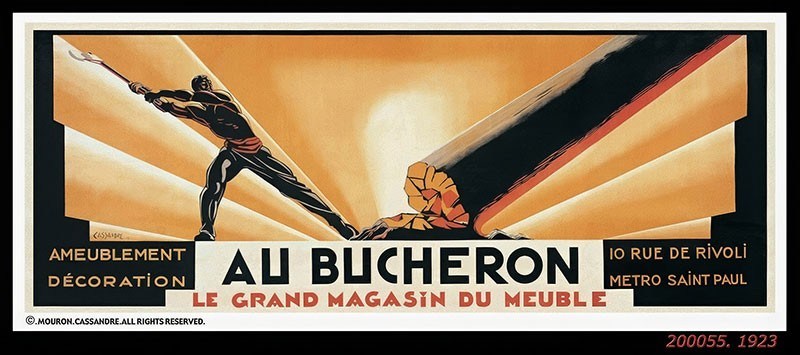 A.M. Cassandre, for the Au Bucheron furniture store. Click to expand
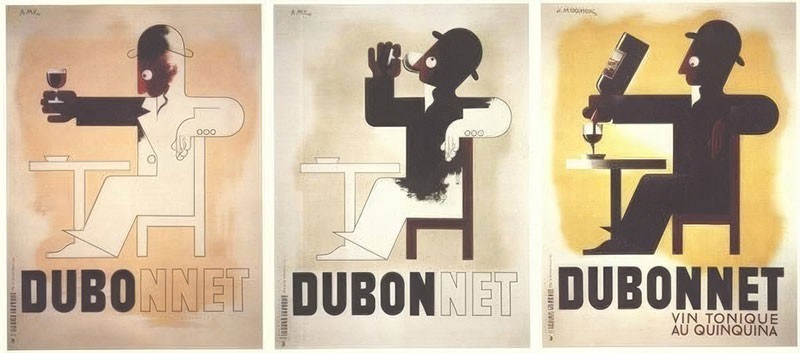 Cassandre Dubonnet Series. Click to expand
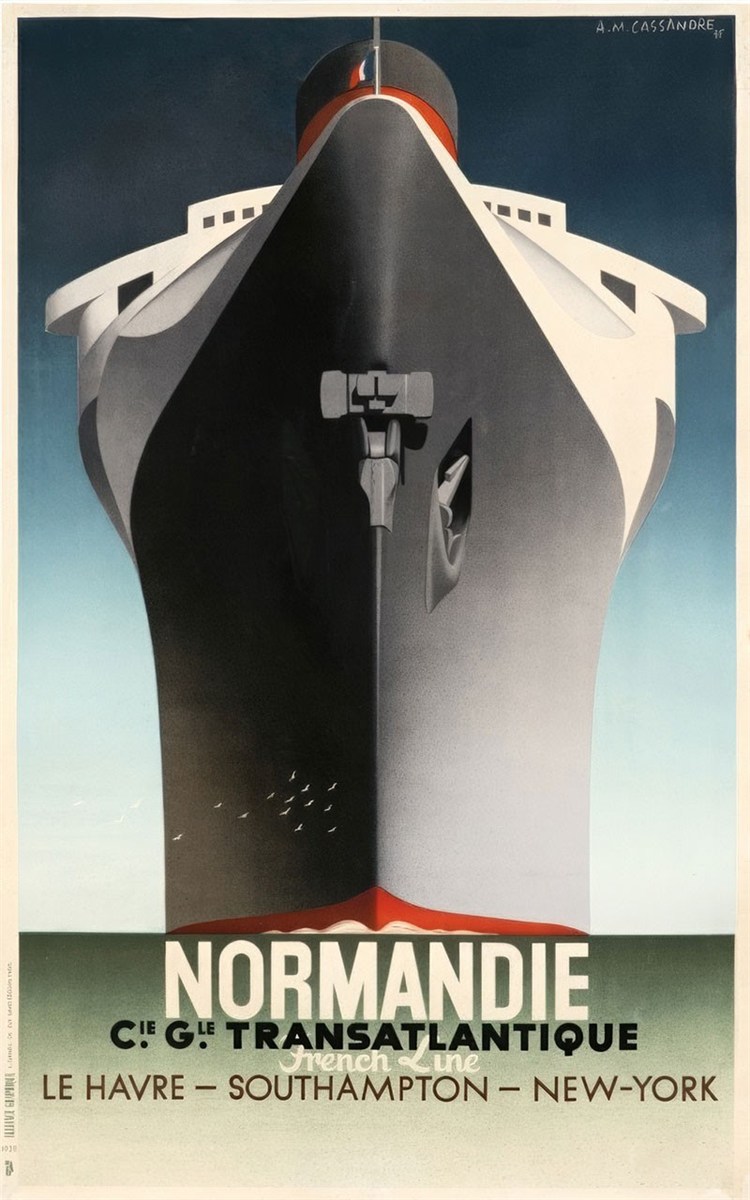 Cassandre 1935. Click to expand
Wartime posters
Into the 1940s, the invention of TV took some of the charm out of posters for the advertising
industry. During this time, posters became more military in nature and were used to recruit
soldiers, educate the masses and of course, spread propaganda. Who can forget Rosie the
Riveter by J. Howard Miller or Uncle Sam by James Montgomery Flagg?
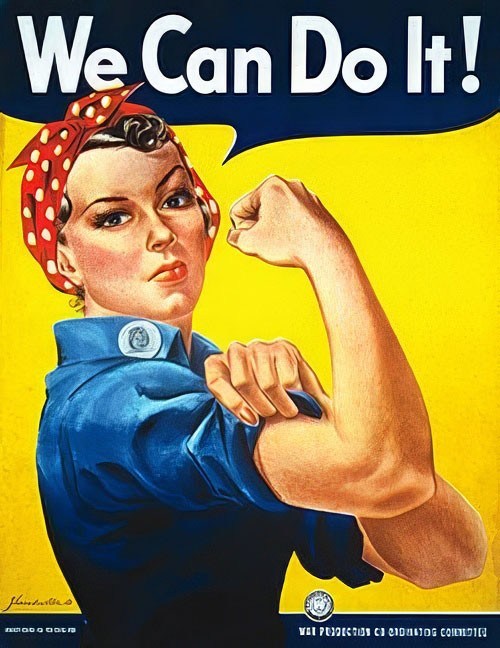 Rosie the Riveter by J. Howard Miller. Click to expand
At this time, a new printing process was invented using photo offset. This allowed for greater
depth of colour and the use of actual photography in the poster design.
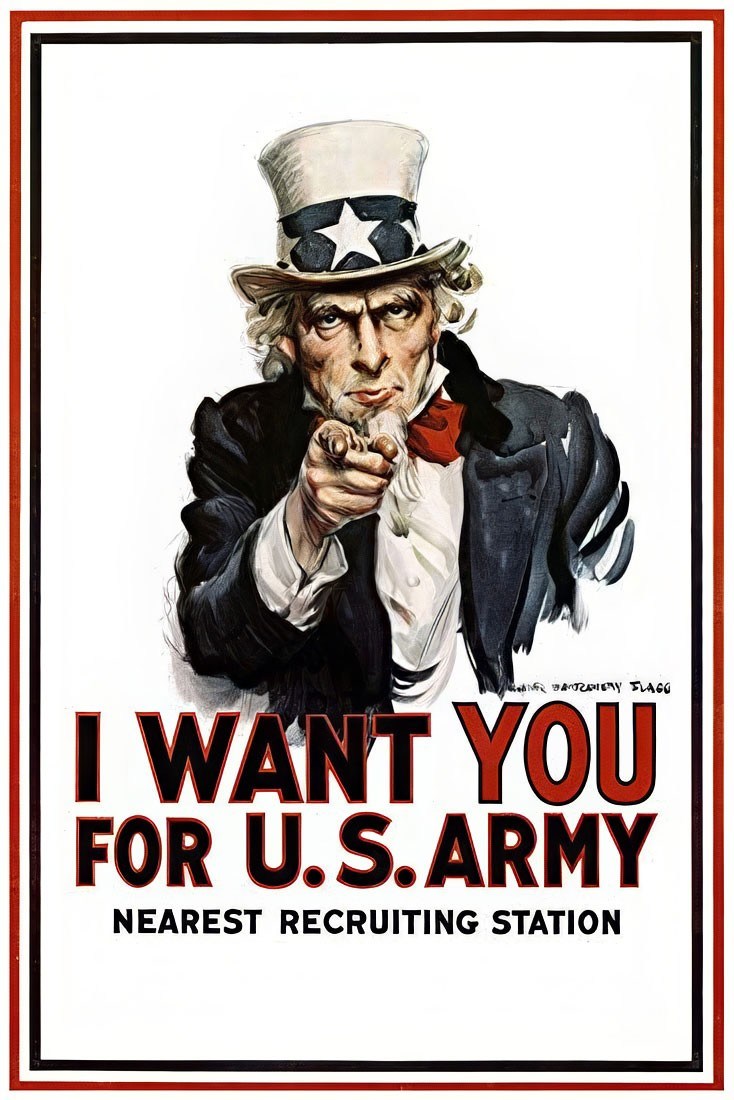 Uncle Sam by James Montgomery Flagg. Click to expand
Interested in more wartime posters? Discover a piece of history in our wartime art poster collection!
International Typographic Style
As times started to prosper again after WWII, advertisers turned to posters as a way to
market their new products. It was an age of consumerism and the invention of modern
conveniences. Poster design fell into two categories: business to business, and business to
consumer. The more corporate posters followed the International Typographic Style invented
by the Swiss. It focused on simple structured imagery of a geometric order, like the creations
of Erik Nitsche.
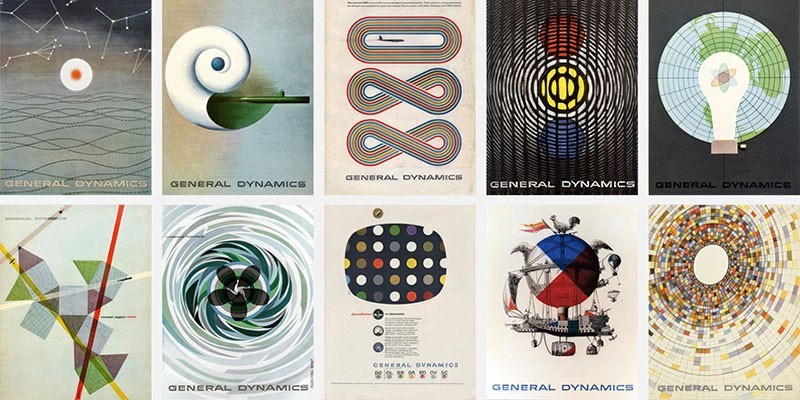 Erik Nitsche. Click to expand
Mid-Century Modern and Bauhaus Style
The consumer style appealed to a wider audience and poster designs were more playful and
lighthearted. Cartoon imagery and primary colours dominated this style and was adopted by
many poster artists like Herbert Lupin, Donald Brun, Paul Rand, Raymond Savignac, David
Klein, and Stan Galli.
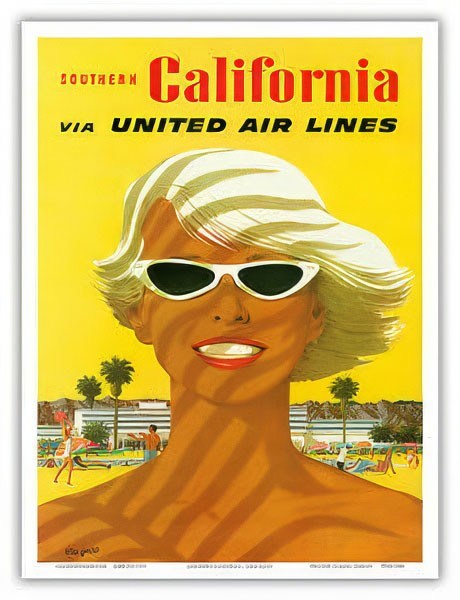 Stan Galli. Click to expand
It was the 50s and graphic design was now a practice of order and rules. Art took a backdrop
in the poster’s design and typography, layout, and technique took over. Mid-Century Modern
was in style and Bauhaus was leading the way in design.
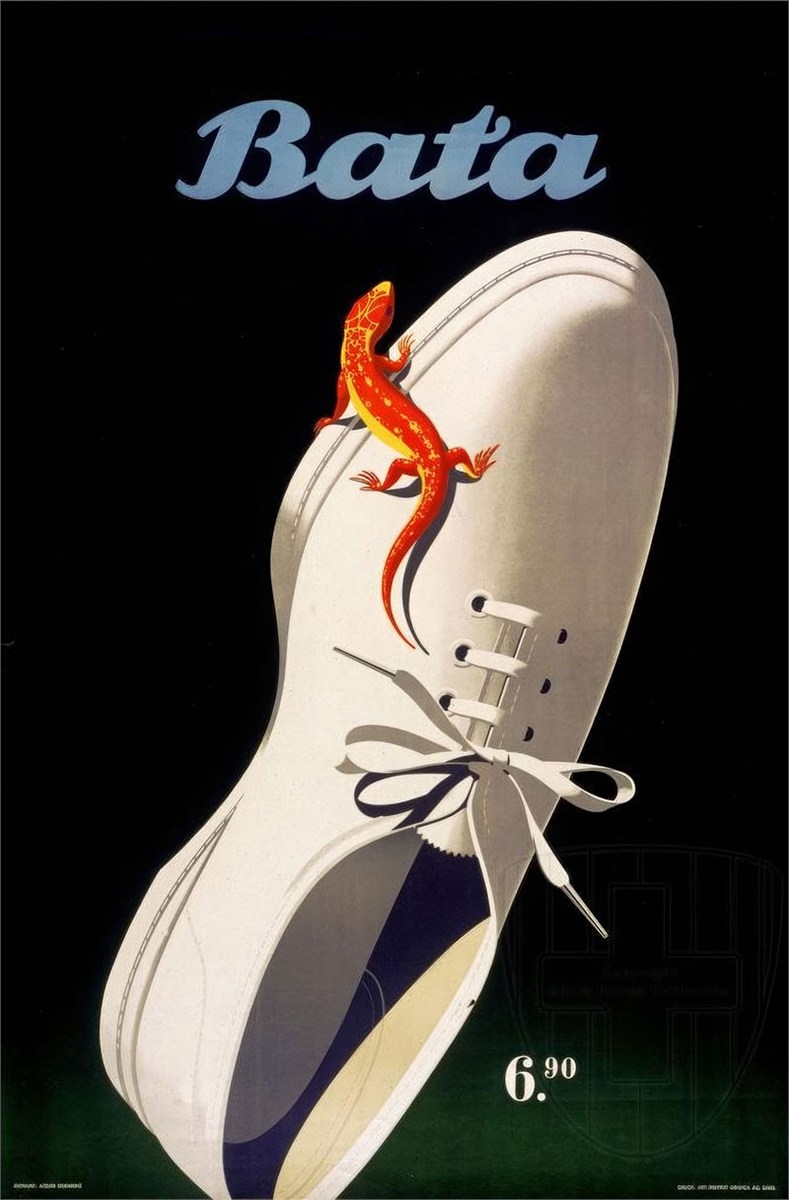 Donald Brun. Click to expand
Milton Glaser 1966
By the mid-1960s, psychedelia was in full swing and posters were awash with explosive
colours, dynamic imagery, and a sense of freedom. Breaking free from the structure of the
50s poster style, this era used Surrealism, Pop Art, and Expressionism to get their message
across.
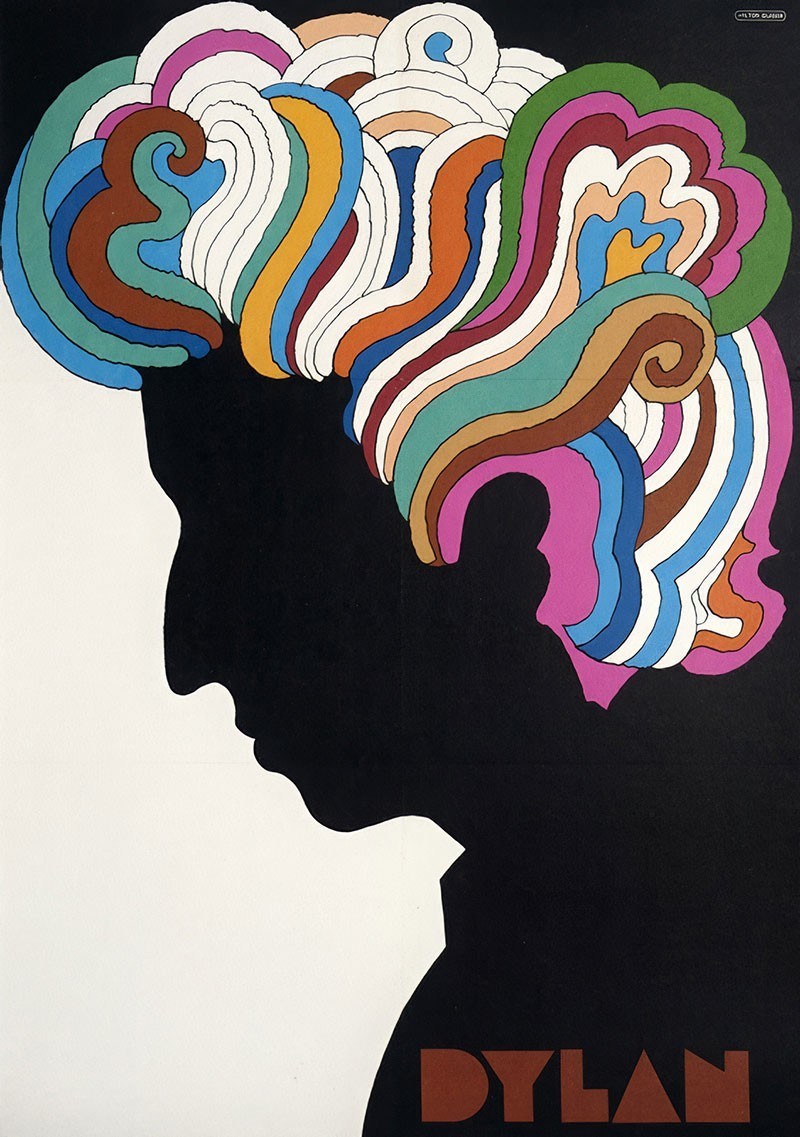 Milton Glaser. Click to expand
Milton Glaser is perhaps one of the most iconic poster artists of this time. His Bob Dylan
poster album insert captures this design era perfectly with its stark contrast between the dark
face and colourful hair that looks like it’s just about to spring out of the frame. This style set
in motion a whole new movement of poster art in an age of creative expression and youthful
rebellion.
Richard Avedon 1967
Richard Avedon is another big figure of this poster Pop-Art era. He created movement in his
designs by using offset images and contrasting colours that seem to pulsate when you stare
at them for too long. His legendary print of John Lennon expresses a chaotic world on the
brink of a revolution.
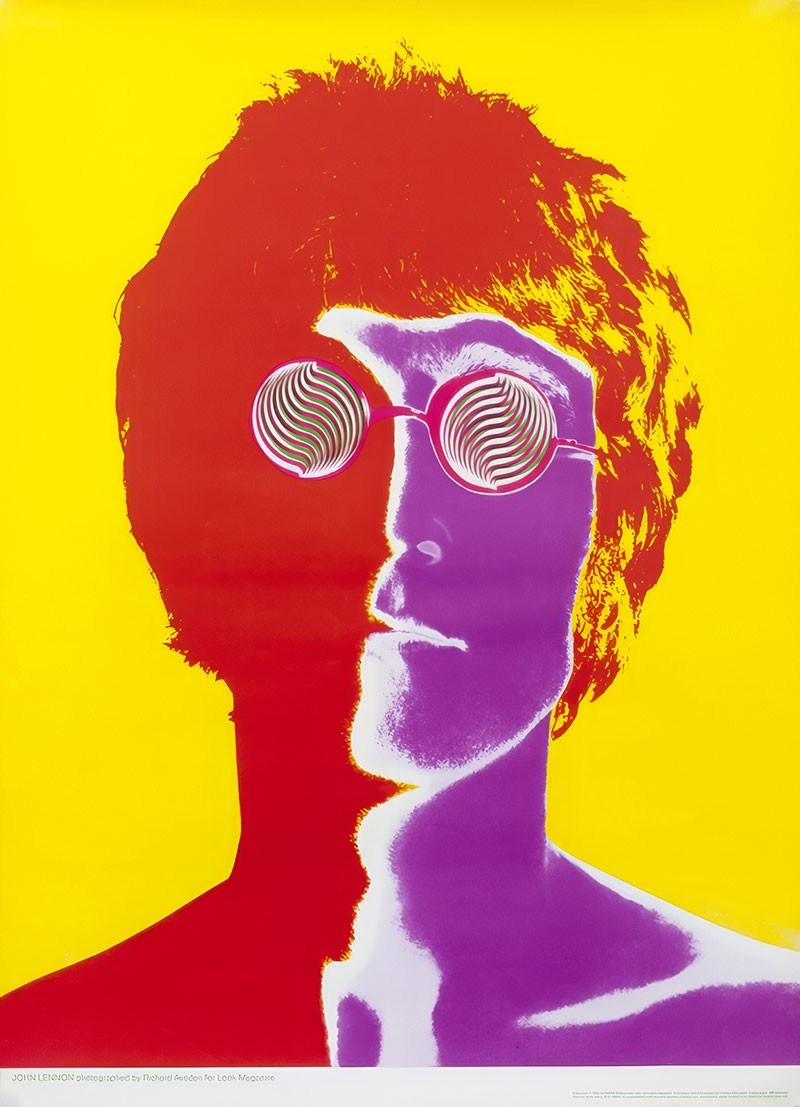 Richard Avedon 1967. Click to expand
Wolfgang Weingart 1984
As the psychedelic revolution was happening on American shores, the Swiss Typographic
Style was continuing to spread across Europe and endure the postmodern era. By the 1970s
this orderly yet elegant style enjoyed a resurgence for a short while, until an artist by the
name of Wolfgang Weingart from Basel decided to put his own spin on it.
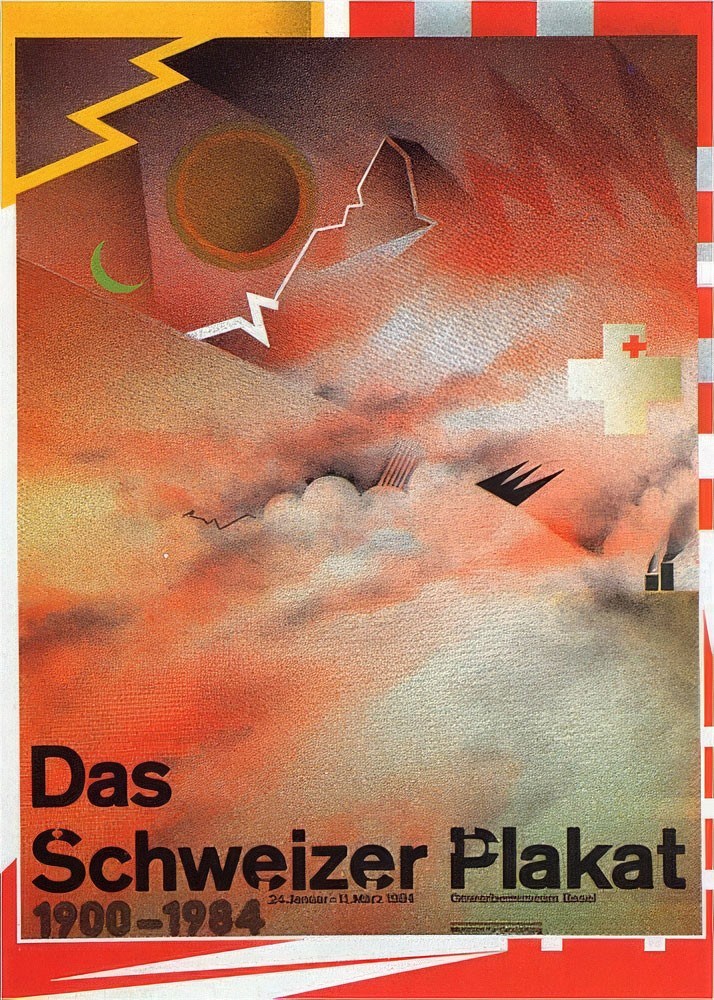 Wolfgang Weingart 1984. Click to expand
Fusing several styles together to create posters of many layers, Weingart’s vision gave way
to a style that looked like a montage of ordered chaos using realism, whimsy, and
typography. His designs led to new innovations in computer graphics and typography
design.
An Artful Piece of History
Over the next few decades as computer technology advanced, poster art has become
evermore vivid and intense. This century, digital billboards have taken the place of most
printed posters, but that just makes these works of art even more collectable.
You can find several poster auctions across the Internet and certain auction houses like
Julien’s Auctions and Profiles in History. You can also find many of these posters in
museums across the world like the Poster Museum in Warsaw, Poland, and the
House in New York City.
Posters blend design, advertising, typography, and art into one beautiful piece of history –
well worth collecting.